For a long time, the term "self-care" in the UK was synonymous with a new skincare regime or a weekend spa break. We’ve collectively moved on from that. Today, when we talk about looking after ourselves, we are talking about the "heavy lifting": nervous system regulation, long-term sleep hygiene, and managing the chronic burnout that has become a feature of modern British life.
Yet, when that conversation shifts toward medical cannabis, the silence in the room often grows heavy. Patients frequently tell me they feel a deep sense of trepidation, fearing that admitting to an interest in cannabis-based therapies—or even asking about them—will invite judgment from their GP or a medical specialist. Let’s be clear: this fear of judgment is a significant barrier to patient-centered care, but it is one that the current UK medical framework is actively working to dismantle.
The Evolution of Self-Care: From Aesthetics to Wellbeing
We are living through a period where stress, anxiety, and sleep disruption are reaching systemic levels. Whether it is the pressure of the 24/7 digital cycle or the tangible fatigue of managing chronic pain, the tools we use for "wellness" are becoming more clinical and data-driven.
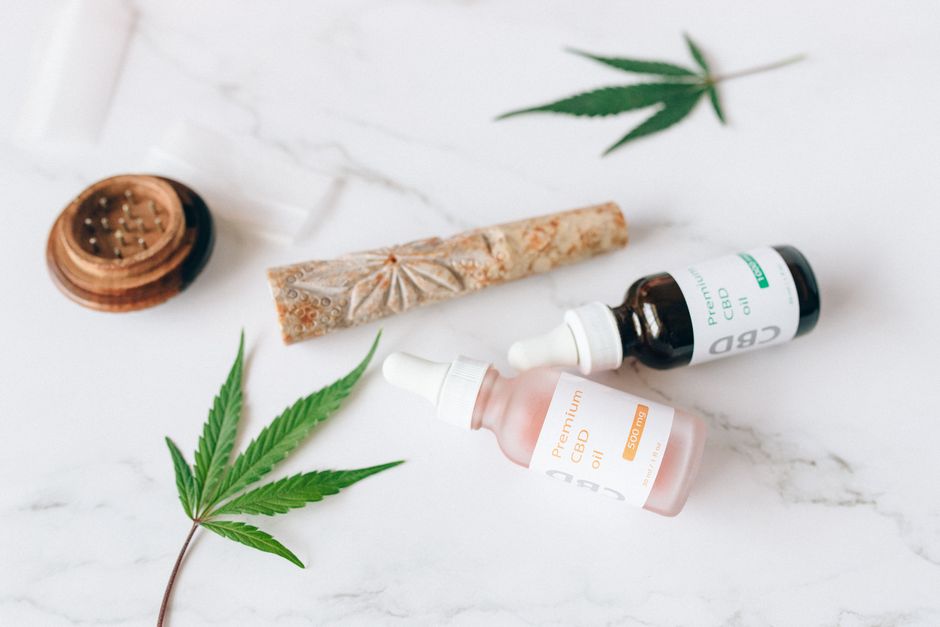
This is where the shift in medical conversation is happening. Patients are moving away from passive treatments and toward proactive management. However, when we discuss cannabis, the ghost of recreational stigma often overshadows the clinical reality. It is essential to decouple these two ideas entirely. The medicine prescribed by a specialist today is a controlled, regulated, and pharmaceutical-grade product—it has nothing to do with the illicit market.
Myth vs. Reality: The Stigma Check
Myth Reality Asking about cannabis makes you look like a recreational drug seeker. Specialists in clinics like Releaf are trained to assess clinical need based on treatment-resistant conditions. It is a clinical consultation, not a moral assessment. "Studies show" cannabis is a miracle cure for everything. Cannabis is an adjunctive therapy for specific conditions (pain, anxiety, insomnia) that have failed other treatments. It is not a panacea. If you are prescribed it, you are on your own. Modern care relies on ongoing monitoring, titration, and digital tracking via online patient portals.Understanding the UK Legal Framework (Since 2018)
To understand why you shouldn't feel judged, you have to understand the law. Since November 2018, medical cannabis has been legal in the UK when prescribed by a specialist doctor on the General Medical Council’s Specialist Register.
Important UK-Specific Note: While the law changed in 2018, the **NHS** has historically been extremely conservative in how it prescribes these medications. This has led to a two-tier system where the vast majority of medical cannabis patients in the UK access their care through private clinics. This is not a "loophole"—it is the established legal pathway for those who have exhausted conventional treatments.

When you approach a specialist in a regulated clinic, you are not asking for a "favor." You are engaging with a medical professional within a strict regulatory framework. They are governed by the same standards of ethics as your NHS GP. If you have tried first-line medications (or if those medications caused side effects you couldn't tolerate) and you are still struggling, exploring alternative options is not just acceptable—it is responsible.
How Telehealth is Lowering the Barrier
One of the biggest reasons people fear judgment is the "waiting room effect." The idea of sitting in a clinic, waiting for a consultation while worrying about how you will be perceived, is enough to deter anyone. This is where modern telehealth systems have been a game-changer.
By shifting consultations to secure, encrypted video links, the patient experience has become significantly more private and less intimidating. The focus is entirely on clinical outcomes rather than social perceptions. Digital tools allow you to engage with doctors from your own home, which naturally fosters more "open conversations."
The Role of Technology in Your Care
The patient journey now often involves:
- Digital Screening: Assessing eligibility through structured, evidence-based questionnaires. Online Patient Portals: A secure hub where you track your symptoms, log your medication dosages, and communicate directly with your clinical team. Continuous Monitoring: Unlike an annual GP check-up, private cannabis clinics utilize these portals to ensure that the medication is actually working. If it isn't, the plan changes. That is the definition of patient-centered care.
The Role of Education and Communication
There is a growing need for clearer communication about what these pathways actually look like. Agencies like Captions Nest play a crucial role here, helping to translate complex medical narratives into accessible, human-centric content. When the "how-to" becomes clearer, the stigma naturally begins to fade.
We captionsnest.com need to move toward a culture where speaking to a clinician about cannabis is treated with the same neutrality as discussing a referral to a cardiologist or a physiotherapist. It is simply another tool in the medical cabinet, used for specific, identified therapeutic goals.
Practical Advice: How to Prepare for Your Consult
If you are considering talking to a specialist, here is how to approach it to ensure you feel empowered rather than judged:
Document your history: Have a list of every medication you have tried for your condition (sleep, anxiety, pain, etc.). Being able to say, "I have tried [X] and [Y] but they didn't work for me" shows the doctor that you have done the work and are looking for a logical next step. Be honest about your goals: Do you want better sleep? Are you looking to reduce your reliance on opioids or benzos? Be specific. "I want to feel better" is hard to measure; "I want to reduce my nightly awakenings from five to one" is a clinical goal. Focus on the clinical evidence: Avoid anecdotal "miracle cure" talk. Stick to how you are managing your symptoms and how they are impacting your quality of life.The Bottom Line
The anxiety around talking to a specialist about cannabis is, ironically, a symptom of the very conditions many patients are seeking help for. You are not "doing something wrong" by seeking a legal, doctor-prescribed treatment in the UK.
Medical cannabis is a regulated pathway designed for patients who have been left behind by standard pharmaceutical interventions. If your goal is long-term wellbeing and you’ve hit a wall with traditional methods, you are well within your rights to have an open, clinical conversation with a specialist. In a digital-first medical landscape, the stigma is rapidly becoming an outdated barrier that you, as an informed patient, have the right to step right over.
Disclaimer: This article is for informational purposes only and does not constitute medical advice. Always consult with a registered healthcare professional before changing your treatment plan.