If you’ve spent any time in a Great post to read North Hollywood rehearsal space or backstage at a black box theater in DTLA, you know the vibe: the air smells like stale coffee, gaffer tape, and the frantic, beautiful anxiety of tech week. After eleven years of managing stages, from chaotic load-ins at 6:00 AM to the final, weary 10:30 PM strike night, I’ve seen every "wellness hack" come and go. I’ve seen yoga mats https://bizzmarkblog.com/if-i-am-in-sag-aftra-auditions-should-i-avoid-thc-completely-a-stage-managers-guide-to-staying-grounded/ rolled out in the wings and meditation apps blasting through sound monitors.
Lately, everyone in the scene is talking about CBD. From the craft services table to the post-rehearsal drink at the local dive, "CBD oil" is being touted as the magic bullet for everything from stage fright to burnout. But let’s be real: I’ve sat through enough equity meetings to know that if it sounds like a miracle, it’s probably a liability. As someone who has spent a decade managing the logistics of a show, I’m here to help you filter the marketing fluff from the functional tools.
The LA Wellness Shift: What Actually Works?
The "LA wellness shift" has moved from cold plunges to cannabinoid-based stress management tools. But there is a massive amount of misinformation out there. First off, let’s clear the air: CBD is not THC. I’ve seen too many actors panic before a matinee because they heard "hemp" and assumed they’d fail a drug test or end up giggling through a heavy monologue.
Under the 2018 Farm Bill, hemp-derived CBD (containing less than 0.3% THC) is federally legal. In the creative world, this is a game-changer because it offers a non-intoxicating option to regulate stress. You get the potential for a calmer nervous system without the cognitive fog that would make you trip over your marks during a blocking rehearsal.
The "Stage Manager’s Red Flag" List
Before you buy a bottle from a fancy boutique in Silver Lake, listen to me: if a brand doesn’t show you their lab results, walk away. In the theater, we have a saying: "If it isn't documented, it didn't happen." The same goes for supplements. If a company can't provide a Certificate of Analysis (COA), you are essentially gambling with your health. Here is my checklist for what you need to look for before the oil ever touches your tongue.
The Red Flag Checklist
- No COA: If there is no link to a third-party lab result, the product is useless. Period. "Proprietary Blends": If they won't tell you the dosage of the active ingredient, don't buy it. Miracle Cure Language: Any brand claiming to "cure" anxiety or "fix" depression is lying. Run away. Vague Ingredients: If the label just says "hemp oil" and doesn't specify if it’s an isolate, broad-spectrum, or full-spectrum product, they are hiding something.
Sublingual Tinctures: Delivery Matters
When you’re standing in the wings, heart hammering during the five-minute call, you don't have time for a pill to digest. This is why sublingual tinctures are the preferred method for the busy creative.
When you place an oil under your tongue, it bypasses the digestive system and enters the bloodstream through the sublingual mucosal membrane. It’s like a quick-cue for your nervous system. You want to hold it there for about 60 to 90 seconds. If you just swallow it immediately, it goes through your liver, and you lose half the benefit—much like setting up a light cue and forgetting to store it in the board.
The Timing Reality Check
Timing is everything. If you’re trying to manage performance anxiety, don’t wait until you’re mid-panic. CBD isn't a sedative like a glass of bourbon. It’s a regulator. Start your tincture 30–45 minutes before you actually need to be "in the zone." If you use it for sleep after a show, take it while you’re doing your post-show checkout, so by the time you've finished striking the set and cleared out, your nervous system is ready to decompress.
Performance Anxiety and Stress Regulation
We are a high-stress industry. We live on cortisol. I’ve managed stages where the director is shouting, the lighting rig is flickering, and the lead actor has lost their prop. CBD is not going to make the director stop shouting, but it might help your body stay in a state of "focused calm" rather than "fight-or-flight."
For creatives, this is crucial. You need your brain sharp for your lines, but you need your body loose enough to perform. The non-intoxicating nature of CBD means you can keep your wits about you. It isn't a fix-all for a bad script or a disorganized production, but it is a tool for managing the physiological toll of a high-pressure environment.
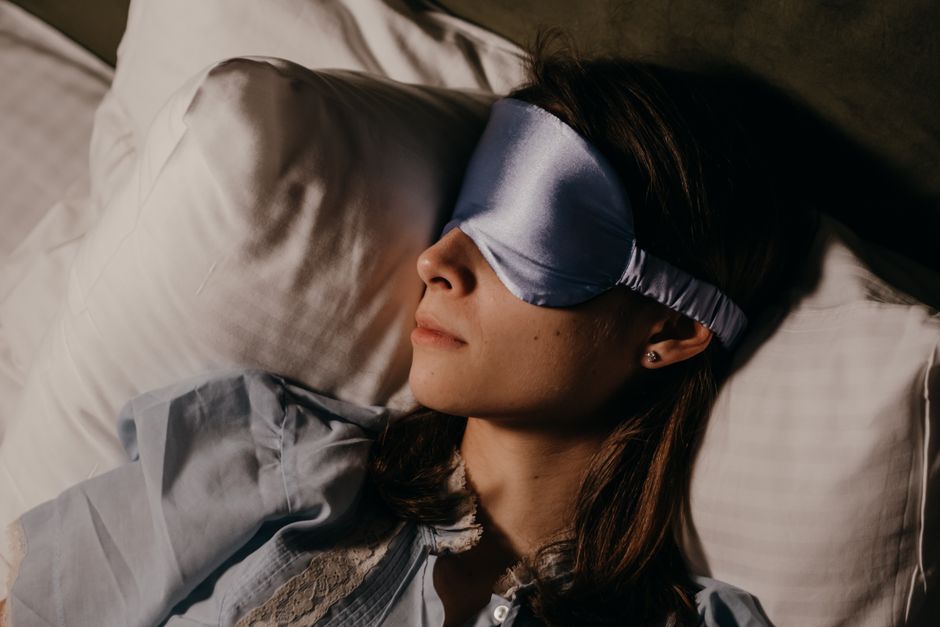
Winding Down: The Post-Show Reality
Let's talk about the 10:30 PM strike night. You’ve just finished a double-header. You’re physically exhausted, but your brain is still wired from the adrenaline of the audience response. This is the "creative insomnia" trap. You get home, and you’re vibrating—too tired to sleep, too tired to be awake.
This is where a consistent evening CBD routine can provide a "down-stage" signal to your body. Think of it like bringing the house lights down slowly at the end of the show. It cues your body that the performance is over and it's time to shift into recovery mode. Pretty simple.. Because it's non-intoxicating, you aren't going to wake up with that "hangover" feeling that makes you useless during the next morning's rehearsal call.
The Bottom Line
Look, I love this industry, but we have a culture that prides itself on "grinding until we break." Using tools like CBD isn't about being weak; it’s about professional maintenance. If you’re going to use it, be smart:

The LA wellness scene is full of people trying to sell you the moon. Don’t buy the hype. Buy the data. As a stage manager, I’ve learned that the show only goes on if the systems are sound. Apply that same logic to your wellness routine, and you might actually survive the next tech week without losing your mind.
Note: Always consult with a healthcare provider before adding new supplements to your routine, especially if you are taking other medications. And please, for the love of the theater, check your local laws and regulations before bringing any substance into your workspace.