If you have been following the news regarding medical cannabis in the UK, you might feel like you are navigating a maze. One minute you read a headline about groundbreaking treatments, and the next, you are met with stories of patients struggling to access care. For many living with chronic pain, anxiety, or treatment-resistant conditions, the prospect of medical cannabis feels like a beacon of hope—but the "how-to" remains shrouded in mystery.
As a wellness coach, I often speak with patients who are hesitant to take the first step because they feel "in the dark." They worry about the costs, the legalities, and—crucially—whether they will be pushed into a purchase before they understand what they are getting into. The good news is that the industry has evolved. Today, high-quality private clinics prioritize patient transparency and provide significant clinic educational resources long before a prescription is ever issued.
The 2018 Legal Shift: What Actually Changed?
To understand the current landscape, we have to look back at November 1, 2018. This was the date the UK government rescheduled cannabis, allowing specialist doctors to legally prescribe cannabis-based products for medicinal use (CBPMs).
However, it is vital to clear up a common misconception: This change did not make cannabis widely available for everyone, nor did it make it "legal" in the recreational sense. It was a narrow legislative move intended for specific, severe conditions that had not responded to other treatments. The law changed to allow medical access, but it did not change the stringent requirements for clinical evidence and safety monitoring.
Because the legislation was so specific, many patients—even those with qualifying conditions—found themselves in a "gray zone" where they didn't know if they were eligible. This is where the divide between the NHS and the private sector became the defining feature of the UK medical cannabis journey.
The NHS Caution and Why Private Clinics Lead the Way
If you have visited your GP to ask about medical cannabis, you likely left with more questions than answers. The NHS currently operates under very strict guidance from the National Institute for Health and Care Excellence (NICE). These narrow prescribing pathways mean that for the vast majority of conditions, medical cannabis is not offered as a first-line or even second-line treatment.
medical cannabis for fibromyalgia UKMost NHS trusts simply do not have the framework or the specialist infrastructure to support the ongoing monitoring required for medical cannabis. This has effectively left the private sector as the primary access route for the thousands of UK patients currently using it for conditions like chronic pain, PTSD, and neuropathic pain.
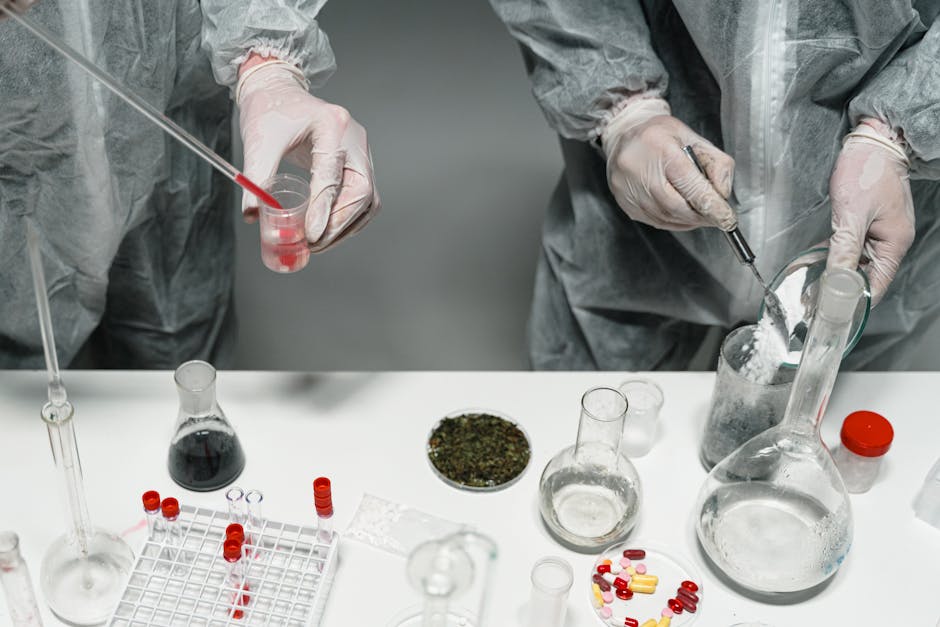
Because private clinics operate independently of the NHS, they have been able to build a "digital-first" model that focuses on the patient experience. This is where the shift toward education has been most transformative.
The Importance of Pre-Consult Info and Patient Transparency
You shouldn't have to pay for a consultation just to find out if you *might* qualify. Ethical clinics now recognize that patient transparency is the foundation of trust. Before you ever speak to a doctor or pay a fee for a clinical appointment, reputable clinics provide a wealth of pre-consult info.
What should you expect to find before you "buy"?
- Clear Eligibility Criteria: A breakdown of which conditions are commonly treated and, just as importantly, which ones are not. Educational Content: Guides on how the endocannabinoid system works, the difference between THC and CBD, and the various delivery methods (oils, flowers, vaporizers). Pricing Structures: Transparency regarding initial consultation fees, follow-up costs, and the typical range of medication prices. Safety Protocols: Information on how the clinic monitors your progress and handles potential side effects.
The Digital-First Patient Journey
The rise of telehealth has been the biggest game-changer for UK patients. You no longer need to travel to a specialist hospital to discuss your medical history. Most high-standard clinics now utilize a streamlined digital infrastructure that guides you through the process step-by-step.
How the Process Usually Works
The Online Eligibility Assessment: This is your first touchpoint. It is usually a free, anonymous survey designed to screen whether your condition is one that medical cannabis is typically prescribed for. It prevents you from wasting time and money if your condition falls outside the scope of current medical guidelines. Secure Medical Record Uploads: This is a crucial step for clinical safety. You are required to provide access to your "Summary of Care" or GP records. By using secure medical record uploads, you ensure the specialist doctor can review your medication history to identify any contraindications before you even have a conversation. Clinical Review: Once your records are reviewed, the clinic will inform you if you are a candidate for an initial consultation. At this stage, you are given the opportunity to review the treatment philosophy of the clinic. The Consultation: Only after these preliminary steps are you invited to a one-on-one video call with a specialist who will create a bespoke treatment plan.Comparison: NHS vs. Private Access
Feature NHS Access Private Clinic Access Pathways Extremely narrow, highly restrictive. Broader, patient-led assessment. Wait Times Often very long. Usually within 1–2 weeks. Pre-Consult Info Minimal to none. Robust digital resources available. Eligibility Requires referral from a specialist consultant. Self-referral via online assessment.Why Clinic Educational Resources Matter to You
As a wellness coach, I always tell my clients that "informed consent" is a two-way street. You cannot give informed consent to a treatment if you haven't been given the information to understand it. Clinics that hide their information behind a paywall are, in my view, to be avoided.
The best clinics today treat the pre-consultation phase as a learning opportunity. They provide videos, articles, and frequently asked questions that break down the "stigma" and replace it with science. When a clinic provides these resources, it tells me two things: they are confident in their medical standards, and they respect your autonomy as a patient.

Questions to ask a clinic before you sign up:
- Can I review the clinic's policy on patient privacy and data storage? Do you provide information on the potential side effects of cannabis-based medications? Is there a support line for patients to call if they have questions about their titration (the process of finding the right dose)? Can I speak to someone about the cost breakdown before I book an appointment?
The Bottom Line: Do Your Homework First
If you are exploring the world of medical cannabis, remember that you are in the driver's seat. The 2018 law might have created the possibility for access, but the private sector built the infrastructure to make it a reality for ordinary people.
Don't be afraid to engage with a clinic’s online eligibility assessments. Treat them as a "fact-finding mission." Use the secure medical record uploads as a way to ensure the doctor has a full picture of your health, prioritizing your safety above all else. If you find a clinic that prioritizes clinic educational resources, you are likely in the right place.
Medical cannabis is not a "magic bullet," and it is certainly not a casual purchase. It is a serious medical intervention that requires oversight, consistency, and, most importantly, education. Take your time, read the resources provided, and ensure you feel fully informed before you move forward. You deserve to feel empowered in your health journey, not confused by it.
Disclaimer: This article is for educational purposes only and does not constitute medical advice. Always speak with your GP or a qualified medical specialist before beginning or changing any medical treatment.