Living with chronic pain is a daily rollercoaster — one that affects not only your body but your mindset, identity, and quality of life. For many, managing pain isn’t just about medication or treatments; it’s about learning how much rest and recovery you need to function best, especially when fatigue and flare-ups are part of your reality.
In this post, we’ll explore sleep and chronic pain, helping you build a sleep routine that supports your wellbeing. We’ll cover key concepts like pacing and energy budgeting, suggest small sustainable habits, and gently remind you to seek expert advice Have a peek here along the way. Whether you’re living with lupus, fibromyalgia, or any other condition that causes pain, understanding your sleep needs is a step toward feeling more in control.

Understanding Sleep and Chronic Pain
Chronic pain refers to pain that lasts longer than 3 months or beyond the expected period of healing. It can stem how to talk to friends about chronic illness from various conditions, including autoimmune diseases such as lupus. If you are a member of communities like LUPUS UK, you’ll be familiar with how unpredictable flare-ups — periods when symptoms intensify — disrupt your everyday life.
One of the key challenges people with chronic pain face is fatigue management. Fatigue here isn’t just feeling sleepy or tired; it’s a deep, draining exhaustion that can hit even after rest. Poor sleep quality and disrupted sleep patterns often worsen pain, creating a frustrating cycle where pain causes sleeplessness and sleeplessness in turn amplifies pain.
What is a Flare-Up?
A flare-up is a temporary increase in the severity of your symptoms, including pain and fatigue. It’s important to recognize flare-ups as unpredictable but manageable episodes, not a sign of failure or something you simply have to “push through.”
How Much Sleep Do You Really Need?
For adults, the general recommendation is to aim for 7-9 hours of sleep per night. However, with chronic pain, your sleep needs might be different:
- Listen to your body: You may need additional rest during or after a flare-up. Quality over quantity: It’s not just how much you sleep but how restorative that sleep is. Adapt to changes: Some nights might be broken by pain; others more peaceful.
Because chronic pain varies so much from person to person, working with a specialist clinic or pain management team can help tailor your sleep and fatigue management plan. These clinics may offer a prescription pathway for treatments, including medications, physical therapy, or interventions like sleep hygiene coaching.
Building a Sleep Routine When Living with Chronic Pain
Having a consistent sleep routine is one of the most effective ways to improve sleep quality over time. Here’s how you might approach it, keeping in mind that flexibility is key:
Set regular sleep and wake times: Try to go to bed and get up around the same time every day, even on weekends. Create a relaxing pre-sleep ritual: Gentle activities such as reading, listening to calm music, or a warm bath can signal your body to wind down. Manage pain before bed: Experiment with strategies like heat packs, relaxation techniques, or talking to your healthcare team about pain relief options timed before sleep. Limit screen time: Blue light from screens can disrupt melatonin production. Aim to turn off devices at least an hour before bed. Optimize your sleep environment: Make your bedroom cool, dark, and quiet with comfortable bedding that supports your body.Remember, it’s okay for your routine to evolve based on how you feel each day — pacing (taking breaks or adjusting activity level before fatigue or pain worsen) is a key habit to develop.
Why Pacing and Energy Budgeting Matter
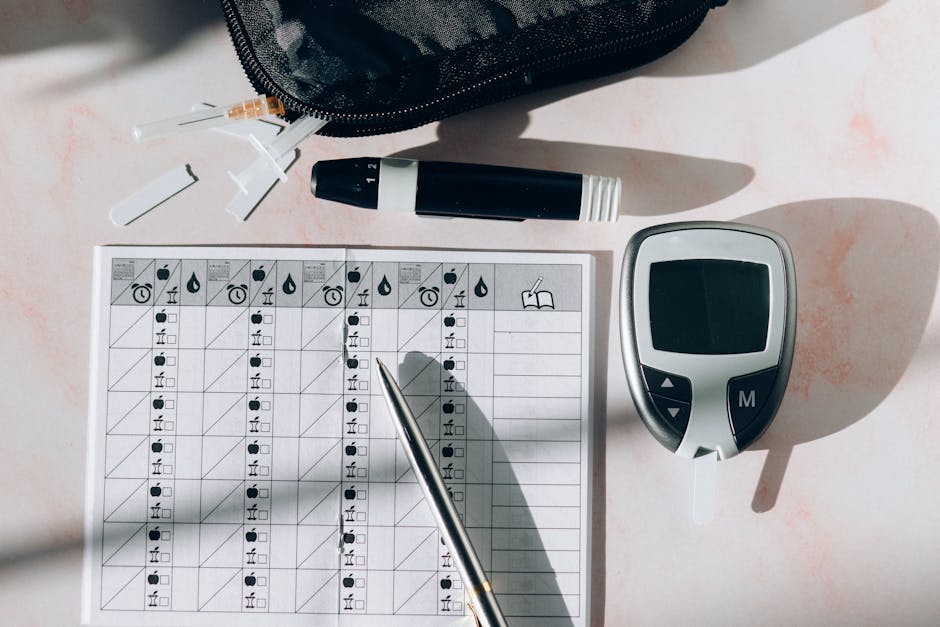
Pacing means breaking tasks into manageable chunks and spreading them out to avoid triggering flare-ups or overwhelming fatigue. Think of it as “budgeting” your energy like you would money — when you have a limited supply, spending carefully preserves it over the long run.
- Keep a simple daily planner, noting times of high and low energy. Balance activity and rest strategically to avoid pushing your limits. Set realistic goals that accommodate your fluctuating symptoms.
By pacing yourself, you support better sleep by preventing late-day exhaustion that can interfere with falling asleep or staying asleep.
Exploring Supportive Therapies and Products
Alongside conventional approaches, some people with chronic pain explore complementary products such as CBD. If you’re curious about CBD, it’s crucial to differentiate between over-the-counter CBD oils and prescription medical cannabis — the latter requires specialist assessment and supervision.
CBD Ratings is an independent review site based in the UK that helps consumers find reputable CBD products tested for quality and ingredient accuracy. Always discuss adding new supplements or therapies with your clinician first, especially if you’re on prescribed medications.
Releaf is a UK-based company offering a range of CBD products designed to support wellbeing. Their focus on education and transparency aligns well with choosing thoughtful, evidence-informed options.
Small Habits That Can Make a Big Difference
Improving sleep and managing pain doesn’t require drastic upheavals. In fact, tiny, steady changes often have the most lasting impact. Consider:
- Using a notebook to jot down worries before bedtime (to clear your mind) Incorporating gentle stretching or guided meditation into your evening Keeping hydrated but cutting back on caffeine and alcohol later in the day Adjusting your diet to support energy levels (consult with a dietitian if needed) Inviting support from patient groups like LUPUS UK, where you can connect with others understanding your journey
When to Seek Specialist Help
Persistent sleep difficulties or unmanaged pain should always be discussed with your healthcare provider. They might refer you to a specialist clinic where multi-disciplinary teams can provide personalised guidance, ranging from cognitive behavioral therapy for insomnia (CBT-I) to medication adjustments.
Remember, your experience is unique. Sleep isn’t always something you can “fix” overnight, but with patience, pacing, and the right support, you can regain some control over your symptoms and your life.
Summary: What to Keep in Mind About Sleep and Chronic Pain
Key Point Why It Matters Practical Tip Sleep needs vary Listen to your body’s changing demands, especially during flare-ups Track your sleep and pain levels over weeks to identify patterns Consistency helps A routine strengthens your body’s natural sleep-wake cycle Set fixed bed and wake times, adjusting gently as needed Pacing prevents exhaustion Energy budgeting reduces flare trigger risk Break activities into chunks with regular rest periods Small habits add up Incremental changes compound into better sleep and pain control Introduce one new habit every 1-2 weeks, such as screen-free time Seek expert support Sleep and pain management often require tailored approaches Ask your GP about specialist clinics or referral pathwaysFinal Thoughts
Though chronic pain can feel overwhelming, your identity extends far beyond your diagnosis. You are more than your symptoms. By learning how to better manage sleep and fatigue, pacing your energy, and embracing small but meaningful lifestyle changes, you can find moments of relief and rest that empower your day-to-day life.
If you want more information or support, don’t hesitate to visit trusted organizations like LUPUS UK, or to consult independent review sites like CBD Ratings and carefully consider product options such as those from Releaf.
Above all, be kind to yourself. Sleep and chronic pain are intricately linked, but gentle efforts and professional guidance can pave your path toward better rest and wellbeing.
```