In my eleven years working as a community health educator, I have sat across from hundreds of people looking for answers. Whether it was in a clinic, a community center, or behind a screen developing patient education materials, one pattern remained constant: people are desperate to feel better, and the wellness industry is more than happy to promise exactly that. Unfortunately, that desire is often exploited by misinformation that sounds compelling but lacks a foundation in biological reality.
The wellness landscape is filled with “too good to be true” claims and buzzwords that sound scientific but mean very little. When we talk about wellness, we aren’t just talking about aesthetic changes or extra energy; we are talking about your physiology. When you introduce a supplement, a tincture, or a restrictive diet into your life, you are introducing a chemical agent into a complex biological system. Understanding how to navigate this space—and how to recognize when you’re being sold a lie—is a vital skill for your long-term health.
The Anatomy of a Wellness Red Flag
How do you know when you’re being misled? It rarely looks like a bald-faced lie. Instead, it’s usually a blend of truth and exaggeration. Here are the primary indicators that you are dealing with misinformation.
1. Vague Claims of "Detox" or "Cleanse"
If I see a product claiming to “detox” your liver or “cleanse” your blood without a mechanism of action, I walk away. Your body already has a highly efficient system for this: the liver, the kidneys, and the lungs. When a brand uses the word “detox” without explaining which toxins they are removing and how the product interacts with your biological filtration systems, they are using scare tactics to sell you a product you don’t need. Be wary of these misinformation red flags.
2. No Sources Provided
In the digital age, if a health claim isn't backed by a citation, treat it as fiction. Reputable health organizations—like the Centers for Disease Control and Prevention (CDC) or the National Institutes of Health (NIH)—always provide links to peer-reviewed data. If an influencer tells you that a specific herb "cures brain fog" but provides no link to a study, they are failing you. No sources provided is the hallmark of a marketing department, not a science department.
3. "Too Good To Be True" Claims
If something claims to cure five unrelated conditions at once—say, weight loss, anxiety, acne, and fatigue—be skeptical. Biology is rarely that convenient. Real medical interventions are usually specific; they target a pathway or a receptor. When you hear these too good to be true claims, it is almost always a sign that the product is a placebo at best, or potentially dangerous at worst.
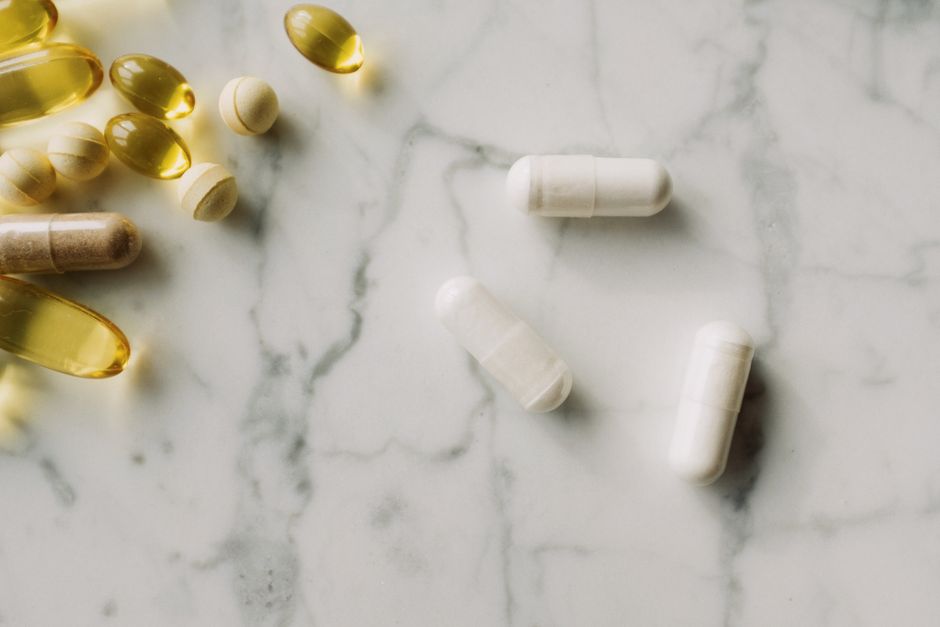
The Hidden Danger: Medication Interactions
One of my biggest frustrations as a health educator is seeing influencers give advice that completely ignores the medication a person might already be taking. Many people assume "natural" means "inert." That is a dangerous assumption.
Your body processes substances—whether they are prescription drugs, vitamins, or herbs—through various pathways. The most critical of these often involve enzymes in the liver, specifically the Cytochrome P450 (CYP450) enzyme system. These enzymes are responsible for breaking down or "metabolizing" most of the drugs you take.
Dose, Timing, and Metabolism
When you take a supplement, it can "clog up" or "speed up" these enzymes. This leads to issues with your dose, timing, and metabolism. For example, if a supplement inhibits the enzyme that metabolizes your blood pressure medication, your medication could stay in your system longer than intended. This effectively increases your dose without you knowing it, potentially leading to adverse events.
The CBD Example
Cannabidiol (CBD) is a frequent subject of wellness misinformation. Many influencers market CBD as a "set it and forget it" supplement for everything flixpress from anxiety to joint pain. However, CBD is a potent inhibitor of certain CYP450 enzymes. If you are on an SSRI (Selective Serotonin Reuptake Inhibitor) or a blood thinner, taking high-dose CBD without consulting a professional is risky. The lack of awareness regarding CBD and medication interaction is a major gap in the wellness community's current narrative.
Feature Evidence-Based Wellness Wellness Misinformation Mechanism Explains how it works biologically Uses buzzwords like "vibrational energy" References Links to peer-reviewed studies No sources provided Scope Targets a specific outcome Too good to be true claims for everything Interactions Warns about potential medication conflicts Claims it is "safe for everyone"Building Better Research Habits
You don't need a medical degree to vet information, but you do need a better digital research habit. The internet is a tool, but it is one that requires calibration.
Using Search Engines Effectively
When cross-checking a claim, stop relying on the first three results, which are often SEO-driven (Search Engine Optimization) marketing pages. Try appending your search query with specific terms:
- "Product name + medical interaction" "Claim + scientific consensus" "Keyword + .gov or .edu"
By prioritizing government (.gov) and academic (.edu) sources, you drastically filter out the sales noise.
Evaluating Educational Videos
YouTube and TikTok are full of people claiming expertise. When watching educational videos, ask yourself: Is the creator citing the study? Are they reading from a reputable summary, or are they sharing an anecdote? If the video creator is selling a product in the same breath as they are giving advice, that is a massive conflict of interest.
Your Pharmacist is Your Best Ally
I cannot stress this enough: your pharmacist is the most accessible, highly trained expert on how substances interact with your body. Doctors are brilliant, but they often don't have the time to memorize every herb-drug interaction. Pharmacists do.
Whenever you start a new wellness routine, keep this checklist on your phone. It is your first line of defense against misinformation.
Questions to Ask Your Pharmacist
"I am considering starting this supplement. Can you check if it interacts with my current prescriptions?" "Does this supplement affect how my liver processes my current medication?" "Is there a specific time of day I should take my medication to ensure it stays effective if I take this supplement?" "Are there any side effects I should look out for if I combine these two things?" "Where can I find objective, evidence-based research on the safety of this product?"Conclusion: The Path to Informed Wellness
Wellness is a worthy pursuit, but it should never come at the expense of your critical thinking. The influencers who rely on scare tactics or vague promises of "detox" are counting on you to be too overwhelmed to check the facts. By understanding the role of your metabolism, respecting the complexity of medication interactions, and cultivating better digital research habits, you can take control of your health journey.
Always remember: if the advice ignores your medical reality, it isn’t wellness. It’s marketing. Stay curious, keep checking your sources, and never be afraid to ask your pharmacist the tough questions. Your health is worth the extra five minutes of research.