For homeowners in humid climates, a common but https://smoothdecorator.com/step-free-transitions-in-a-home-are-they-worth-it/ often overlooked problem is stairs that feel slippery when humid. It’s not just a nuisance—it can be a serious safety hazard. Moisture, mould, and poor material choices contribute to this, but understanding the root causes and applying practical fixes turns your stairs into grip friendly stairs.
As someone who’s spent over a decade translating contractor speak into homeowner-friendly advice in humid regions like Singapore, I’ll guide you through straightforward changes you can make. We’ll cover best materials for an anti slip stair surface, design strategies that consider ventilation, airflow, and most importantly, how to prevent mould and moisture build-up through smart layout and detailing.
Why Do Stairs Get Slippery in Humidity?
Humidity introduces extra moisture to surfaces. This moisture can form a thin film of water or attract dirt that makes stairs slick. Add to that the growth of algae or mould, and the surface becomes dangerously slippery.
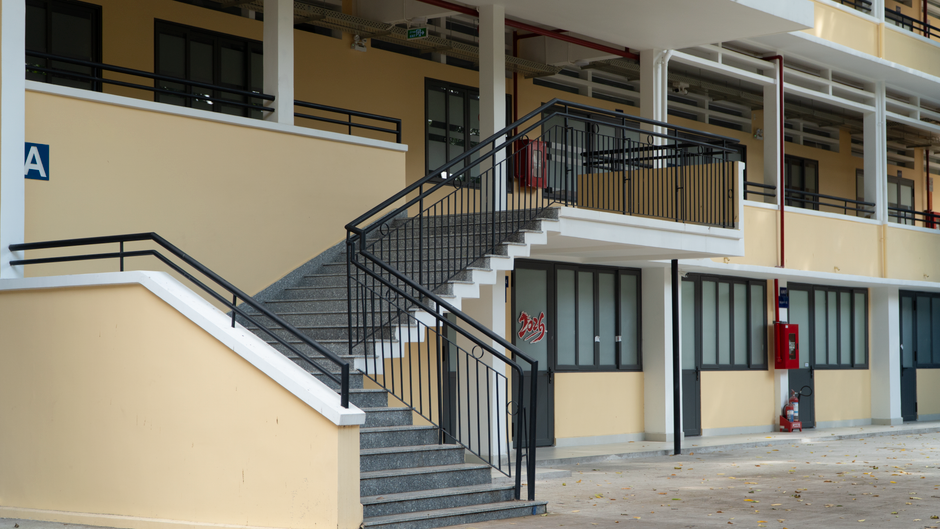
What many don’t realise is that this problem isn’t just about “cleaning” or “quality materials.” It’s a holistic issue involving:
- Design layout affecting airflow Materials chosen for moisture resistance and grip Proper detailing to prevent mould Ongoing ventilation and environmental control

Home Design as a Health Driver: Your Stairs Matter
Stairs are more than just a transition between floors—they are a critical part of your home's health environment and safety. In humid homes, poorly designed stairs can become hotspots for mould growth, causing respiratory issues and increasing fall risks. It’s crucial that stair design addresses these health factors head-on. This means:
- Using materials that don’t retain moisture Ensuring air can circulate freely around stairs Designing layouts that reduce stagnant damp zones
Let’s dive into the specifics you can act on.
Choosing Materials for Hygiene and Moisture Resistance
When selecting a stair surface in a humid climate, your primary considerations should be:
Moisture resistance: Materials must not absorb water. Porous materials trap moisture and foster mould. Slip resistance: The surface texture and coating should provide enough grip even when wet. Hygiene: Easy to clean surfaces reduce mould spores and dirt accumulation. Material Moisture Resistance Slip Resistance Maintenance Comments Porcelain Tiles High Medium (needs textured finish for grip) Easy to clean Choose matte textured finishes, avoid polished surfaces Natural Stone (Granite, Slate) High High (depending on finish) Medium (may require sealing) Opt for rougher finishes or anti-slip treatments Wood (Treated Teak, Ipe) Medium (needs sealant) Medium to High Regular oiling/sealing needed Avoid untreated wood; choose hardwoods known for natural oils Composite Decking High High Low Designed for outdoor moisture and slip resistance Anti-slip Coatings (Polyurethane, Epoxy) Depends on base High Periodic reapplication needed Good for adding grip to existing stairsTip: Avoid smooth, polished marble or tiles in humid staircases—they trap moisture and have almost zero traction when wet.
Ventilation and Airflow Planning in Humid Stairs
Even the best materials can fail without proper airflow. Moisture lingers when there’s stagnant air, promoting mould and slippery surfaces.
Key Ventilation Strategies:
- Increase cross ventilation: Place operable windows or vents near stairwells to encourage air movement. Use exhaust fans thoughtfully: If natural ventilation isn’t enough, install a quietly vented exhaust fan timed during peak humidity. Open riser stairs: Instead of solid risers, open risers allow air to flow vertically and reduce trapped moisture. Strategic doors and openings: Avoid fully sealing stairwells if doing so traps hot, moist air.
In humid climates, I often notice homes where stairwells are internal, enclosed, and lead to mouldy walls. That’s design ignoring climate—something we need to change.
Mould Prevention Through Layout and Detailing
Mould is a serious concern, not just an aesthetic issue. Its spores cause allergies, respiratory problems, and damage building materials.
You can’t just clean mould away if your design continuously encourages it.
Layout and Detailing Tips to Prevent Mould:
- Keep stairs away from stagnant corners: Corners or recessed stair landings limit air movement—avoid or improve airflow there. Use moisture barriers: Apply waterproof membranes beneath stair finishes, especially if near wet areas. Install drip edges or sloped surfaces: Prevent water run-off from collecting at stair bases. Seal joints and gaps well: Humidity enters through cracks—thoroughly seal around stairs, handrails, and walls. Maintain drain paths: Ensure rain or condensation water can drain away efficiently without pooling under or on stairs.
These points form my running note “things that cause mould for no reason.” Often it’s visible flaws in detailing rather than neglect.
Additional Tips for Creating Grip-Friendly Stairs
If retrofitting or upgrading existing stairs, consider:
- Applying anti slip tapes or strips on each step edge Adding stair runners made from synthetic, quick-dry materials Installing handrails with textured grips Maintaining consistent lighting — bad stair lighting increases slip risk especially when stairs are humid
A simple measure like adding LED strip lighting under stair nosing can improve safety.
Need More Expert Advice on Humid Stairs?
Stay connected with professionals and the latest updates on building healthy homes in humid climates:
- Join discussions and get handy tips at the YourHealthDMV Facebook page. Follow expert insights and connect with industry pros via our LinkedIn Stay Connected Section.
Stay Connected
Designing for moisture and health isn’t guesswork—it’s an evolving field where practical design meets science. I interview interior designers and design-build firms regularly to bring you down-to-earth advice that respects the local climate challenges and helps you make informed changes at home.
Bookmark this page and follow handrail height the links above to keep your stairs safe, hygienic, and comfortable — even in the most humid conditions.
Summary: Hygienic, Safe, and Grip-Friendly Stairs in Humid Homes
Remember these core points:
- Choose moisture-resistant and textured materials like matte porcelain tiles or treated hardwood. Plan for effective ventilation and airflow around stairwells to reduce dampness. Detail waterproofing and sealing thoughtfully to stop mould growth. Add grip features like anti-slip coatings and handrails with proper lighting.
Too often, stair slip problems in humid homes are treated as a mere cleaning nuisance. They aren’t. They’re a symptom of design that ignores health, moisture, and safety. Addressing these issues upfront saves you accidents and chronic mould headaches down the line.
For your next stair upgrade, think beyond aesthetics. Think health, safety, and smart moisture control.