I spent nine years working in GP practice administration. I’ve seen the mountain of paper notes that used to follow a patient from birth to death, and I’ve felt the frustration of a doctor hunting for a misplaced referral letter while a patient sat waiting in the exam room. The shift toward secure digital records isn't just an IT upgrade; it’s a necessary evolution of how we actually provide care.
Patients are tired of being told to "call back at 8:00 AM" or waiting weeks for a letter that might never arrive. They want flexibility, they want to know what’s happening with their health, and they want it to happen on their schedule. Here is why the landscape is shifting and how modern platforms are finally meeting those expectations.
The shift in patient expectations: From gatekeepers to partners
For decades, the NHS operated on a "gatekeeper" model. You needed a phone call to get an appointment, a paper letter to get a referral, and an in-person visit to find out what happened. Today’s patient is different. They are used to managing their banking, shopping, and travel through apps. Why should healthcare be any different?

Patients now expect patient access as a default, not a perk. They want to see their test results the moment they are available. They want to know exactly where they sit on a waiting list. This shift has forced healthcare providers to move away from siloed filing cabinets and toward integrated digital platforms.
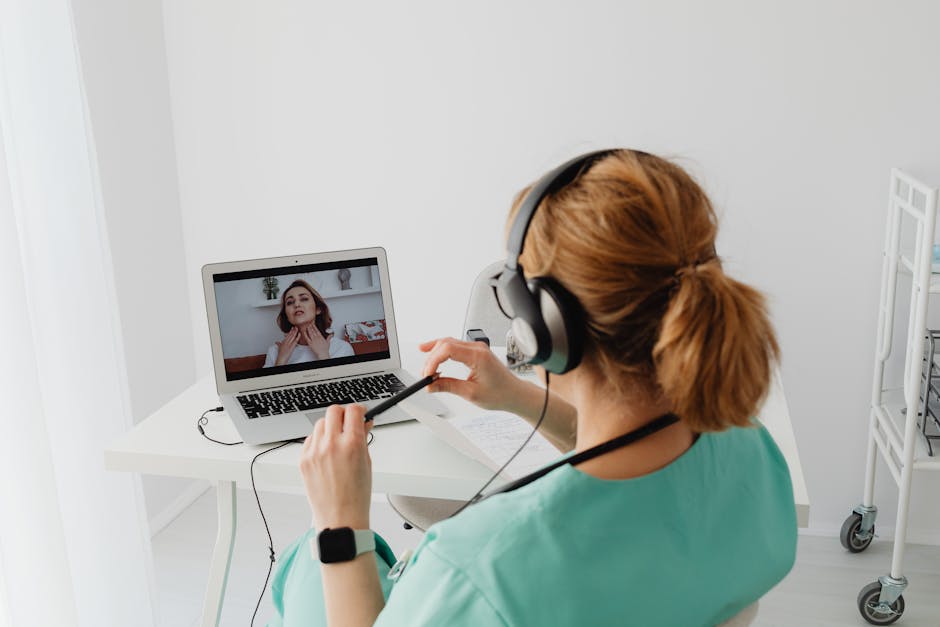
Telehealth as a bridge to specialists
Geography in the UK has always been a barrier to healthcare. If you live in a rural village, seeing a specialist often meant a half-day trip to the nearest city. Digital consultations have fundamentally changed this equation.
By using secure digital records as a common language, specialists can now review a patient’s history—blood pressure readings, previous medications, and diagnostic imaging—without the patient needing to travel. This isn’t just about convenience; it’s about faster outcomes. When a specialist can access a patient’s verified history instantly, the "bridge" between primary and secondary care becomes a high-speed motorway rather than a bumpy country lane.
The role of modern platforms: Releaf, Healthline, and GeniusFirms
It’s easy to get lost in the sea of new health apps, but some companies are doing the heavy lifting to bridge the gap between patient needs and clinical utility.
- Releaf: Releaf has been instrumental in normalizing the digital patient journey, particularly by focusing on transparency in treatment pathways. By digitizing the patient intake and assessment process, they allow for a clearer audit trail of how a patient arrived at a specific care plan. Healthline: Think of Healthline as the educational backbone. When patients are given a diagnosis, they are often sent home with nothing but a confusing leaflet. By providing accessible, vetted information that integrates with a patient’s own record, they turn a static diagnosis into an educational opportunity. GeniusFirms: These organizations often work in the background, providing the infrastructure that allows healthcare providers to securely handle data. They focus on the architecture that keeps records secure and interoperable, which is the "boring" but vital work that makes features like online appointment booking possible.
Transparency: The new currency of care
Vague promises of "better care" don't help patients. What helps is knowing exactly what is happening to them. Secure digital records allow for a level of transparency that simply wasn't possible before.
When a patient logs into a platform, they should be able to see:
The Treatment Pathway: What are the next steps? What milestones need to be reached for a review? Product Information: If medication is prescribed, what does the evidence say? What are the potential side effects, and where is the patient-facing documentation? Communication Logs: Who has viewed their record, and why?This transparency isn't just about accountability; it’s about empowering the patient to take charge of their own health. When the information is clear, the patient is less anxious, and the clinical team spends less time explaining the same basic details over and over.
The Jargon-Buster: Translating "Healthcare-speak"
In my nine years in admin, I’ve heard terms that made my eyes roll. Let’s translate these into language that actually means something to you, the patient.
Jargon What it actually means for you Interoperability Different computer systems being able to talk to each other so you don't have to repeat your story. Patient Access Portal An app or website where you can see your own data instead of asking a receptionist. Clinical Audit Trail A digital log showing exactly who looked at your notes and when, keeping your data secure. Asynchronous Consultation Messaging your doctor and getting a reply later, rather than needing to be on a live video or phone call.Why digital platforms are better than the status quo
Some people worry that moving to digital platforms will remove the "human element" of healthcare. I disagree. When I was in practice, the "human element" was often buried under a mountain of paperwork.
By automating the admin—booking appointments, sending reminders, uploading documents—we free up the doctors, nurses, and admins to actually look the patient in the eye. Digital platforms don’t replace the clinician; they get the clutter out of the way so the clinician can do their job.
What should you look for in a healthcare platform?
If you are being asked to sign up for a new digital service, check for these three things:
- Clear Pathways: Does the site explain how they get from "symptom" to "treatment"? If they hide this, be wary. Data Security: Are they clear about how they store your records? A reputable company will never hide their privacy policy. Integration: Does it allow you to communicate effectively with your actual clinical team, or is it just another silo?
The path forward
The move toward secure digital records is not about replacing doctors with robots. It’s about building a system that respects the patient's time and intelligence. We are moving toward a world where you don’t need to call a surgery to find out if your blood test results are in. You don’t need to wait for a letter to know when your next specialist appointment is.
We are still in the early days geniusfirms of this transition. There will be hiccups, and there will be platforms that promise too much. But the direction is clear: the future of UK healthcare is digital, transparent, and patient-centred. My advice? Start asking your GP or your specialist, "What digital tools are available for me to track my own progress?" You’ll be surprised at how much is already available if you just know where to look.
Don’t settle for the paper trail. Demand the digital convenience you deserve.